It’s 6:15 AM on a scorching Thursday in late August. The custodial team at Jefferson Middle School just turned on the lights when the first call came in. Temperatures are too hot!
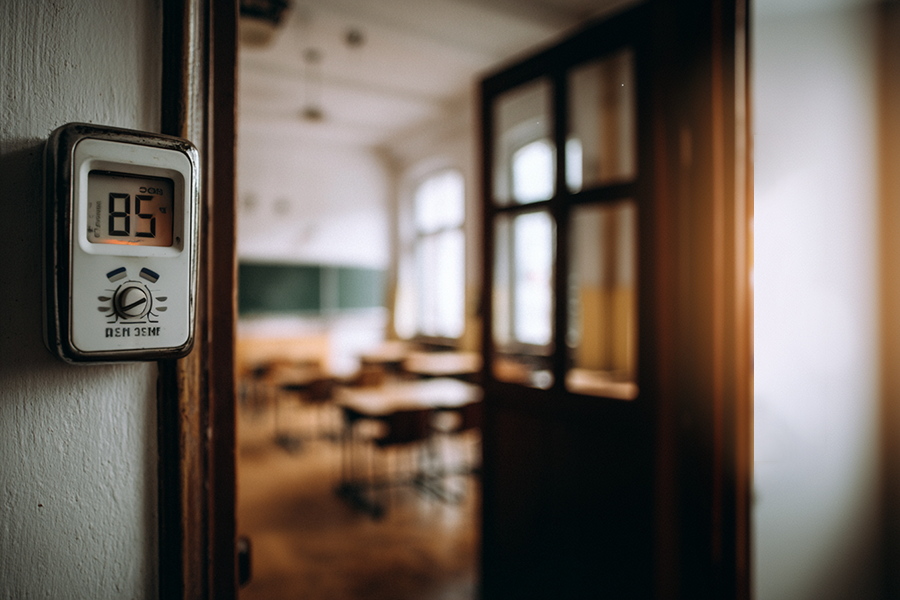
The HVAC unit serving that part of the building shut down overnight, and now classrooms are approaching 85°F before students even arrive. Teachers will be calling soon; nurses are on standby for heat-related issues, and the principal has requested immediate status reports and is bracing for a wave of complaints.
For Jim, the facility director, this isn’t just uncomfortable; it’s a crisis. He’s scrambling to mobilize rental chillers, allocate portable fans, and track down replacement parts. All the while, he knows this failure could have been prevented.
In school environments, maintaining HVAC systems isn’t just about comfort, it’s about creating a healthy environment that supports learning and operational stability. For facility directors managing dozens (or hundreds) of classrooms across a district, it’s a high-stake balancing act: tight budgets, aging infrastructure, growing air quality expectations, and constant pressure to “just keep things running.”
With a strategic, lifecycle-based HVAC approach, facility managers can go from firefighting to forward planning. This shift cuts costs, saves time, and creates healthier spaces for students and staff.
While most schools don’t ignore maintenance, many are still operating reactively without realizing it.
We see it in how systems are managed. Issues are addressed as they surface, instead of being tracked, measured, and prevented. That’s where poor performance, increasing costs, and air quality issues show up.
The True Cost of Reactive Maintenance
Reactive maintenance is rarely a deliberate strategy. It’s what happens when systems aren’t consistently monitored or evaluated over time.
Studies from the U.S. Department of Energy and ENERGY STAR show that deferring HVAC maintenance shows a greater risk of downtime during peak weather months.

Source: Pacific Partners Consulting Group & ENERGY STAR
What are the effects?
- More health-related complaints and student and staff absenteeism due to poor indoor air quality
- Higher volumes of comfort complaints, disrupting focus and impacting learning outcomes
- Unexpected rental and mobilization costs for temporary cooling equipment
- Shortened equipment life cycles, resulting in frequent and costly replacements
The lesson? Proactive maintenance isn’t a luxury, it’s a cost-saving necessity.
A proactive approach changes how systems are understood and managed day to day.
8 Proactive HVAC Maintenance Strategies for Schools
A proactive K-12 HVAC maintenance strategy goes beyond filter changes and seasonal tune-ups.
HVAC maintenance plan for schools: know what you have and stay on schedule
#1 Create an Accurate Equipment Asset Inventory
Document all your HVAC units, their age, condition, service history, and manufacturer-recommended maintenance milestones. This becomes the foundation of an effective long-term plan.
#2 Build a Preventive Maintenance Plan
Follow manufacturer guidelines and any applicable state or local requirements (such as Maryland’s IAC Preventive Maintenance Task List) to reduce unexpected failures and keep systems operating efficiently.
#3 Leverage a Computerized Maintenance Management System (CMMS)
Use a CMMS to automate work orders, track service dates, manage parts, and maintain digitized records. This makes audits easier and reduces administrative headaches.

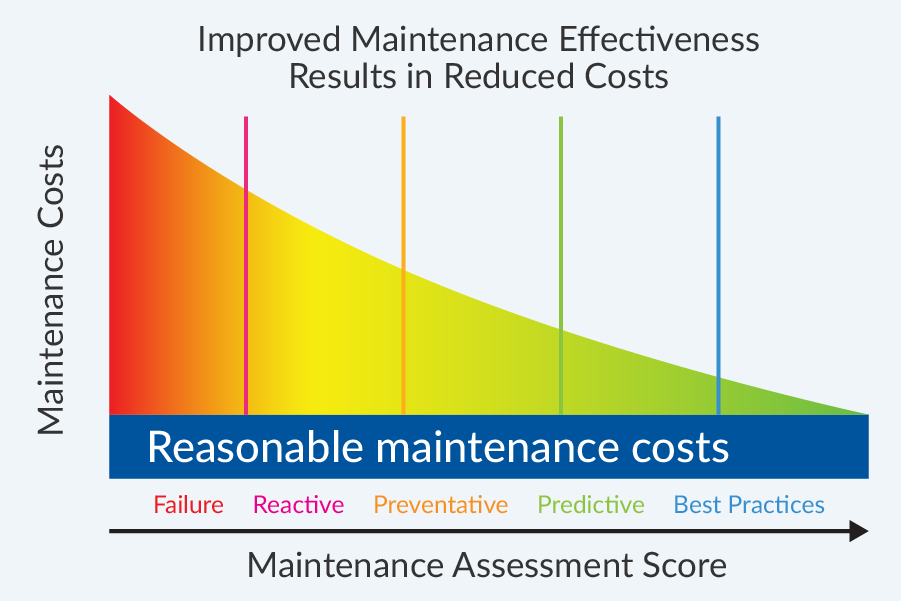
HVAC system repair costs escalate from low to high as maintenance shifts from preventative to reactive.
Help your team catch school HVAC issues early
Most system issues show up as small performance changes that go unnoticed until they affect comfort or operation.
#4 Invest in Staff Training
Educate your internal maintenance teams on how to identify early warning signs and make informed service calls. When possible, enroll them in manufacturer-specific training programs with your local representative.
#5 Add Predictive Maintenance & Performance Monitoring
Use tools like oil and vibration analysis, sensor-based alerts, and equipment trend tracking to spot wear or inefficiencies early before breakdowns occur.
Update and recalibrate for long-term performance
#6 Recommission HVAC Systems Regularly
Even high-performing systems drift over time. Recommissioning ensures they meet current demands and operate as efficiently as when first installed, especially after major upgrades or system changes.
#7 Benchmark Your Energy Use
Track utility data using ENERGY STAR Portfolio Manager or similar tools to compare your energy use with peer buildings, uncover trends, and justify system improvements or replacements.
Partner Strategically: get the right HVAC support
#8 Hold Vendors Accountable to Your Goals
Partner with a provider who understands the unique challenges of K-12 environments and offers proactive strategies not just reactive service. A strong partner helps reduce downtime and improve overall system performance.
School HVAC Energy Savings: Why efficiency matters
With rising utility costs, more districts are viewing HVAC performance through a cost-reduction lens. HVAC system upgrades for schools like variable speed drives or control retrofits can often pay for themselves over time, especially when supported by utility and state driven incentives, rebates, or grants.
An energy-focused partner can help you identify such opportunities, secure funding and build a case for internal approvals needed for project operations or capital funding investments.
Improving Indoor Air Quality in K-12 Schools
Indoor Air Quality (IAQ) is one of the most critical and often overlooked components of a healthy school environment. According to the U.S. Environmental Protection Agency (EPA), poor IAQ can negatively affect the health, performance, and attendance of both students and staff.
“… students in well-maintained facilities often outperform those in substandard buildings by 5 to 17%.”
Glen I. Earthman,
School Facility Conditions and Student Academic Achievement, 2002
See how this school’s net zero design has excellent indoor air quality and reduced maintenance. The challenge was to meet stringent indoor air quality requirements, which often necessitate more outside air, while minimizing energy impact to get to net zero energy.
The EPA’s “IAQ Tools for Schools” program emphasizes a proactive, team-based approach to indoor air management.
How to follow IAQ best practices:
- Ensure adequate ventilation rates in accordance with ASHRAE standards
- Keep HVAC components clean and dry to prevent microbial growth
- Use high-efficiency filters appropriate for the system design
- Inspect and maintain outside air intakes regularly
By integrating these practices into your HVAC strategy, you help protect student health and promote better academic outcomes.
Improving indoor air quality is often treated as a product decision. In practice, it’s a system performance issue and without the right data and verification, it’s difficult to know what’s actually working.
If you’re evaluating air cleaning product options as part of your IAQ strategy, this guide outlines what to verify before making a decision: Air cleaning technology guide
Rely on a Partner You can Trust
Havtech works with K-12 school systems in the mid-Atlantic region to implement HVAC programs that reduce stress on facilities teams and create safer, healthier buildings.
Whether you need a partner for a system rebuild, ongoing maintenance, help navigating compliance, or guidance on energy-saving upgrades, we’re here to support your team.
Interested in learning how to improve your reliability and save costs?