Virginia School IAQ Law and Inspection Requirements
Virginia’s new school IAQ requirements under Senate Bill 1413 / House Bill 2618 require public K–12 school divisions to inspect HVAC systems and publicly report results every four years.
Understand where your district stands before inspections.
A certified testing, adjusting, and balancing (TAB) technician
A master HVAC licensed technician (DPOR)
A licensed mechanical engineer
An industrial hygienist certified by the American Board of Industrial Hygiene
6 Step Havtech IAQ Assessment and Documentation Process
Havtech helps school divisions coordinate inspections across buildings, document findings, and prioritize corrective actions. Recommendations are sized to match your team’s staffing and maintenance capacity.
1. Gather
Determine buildings in scope
2. Plan
Build a district-ready schedule
3. Verify
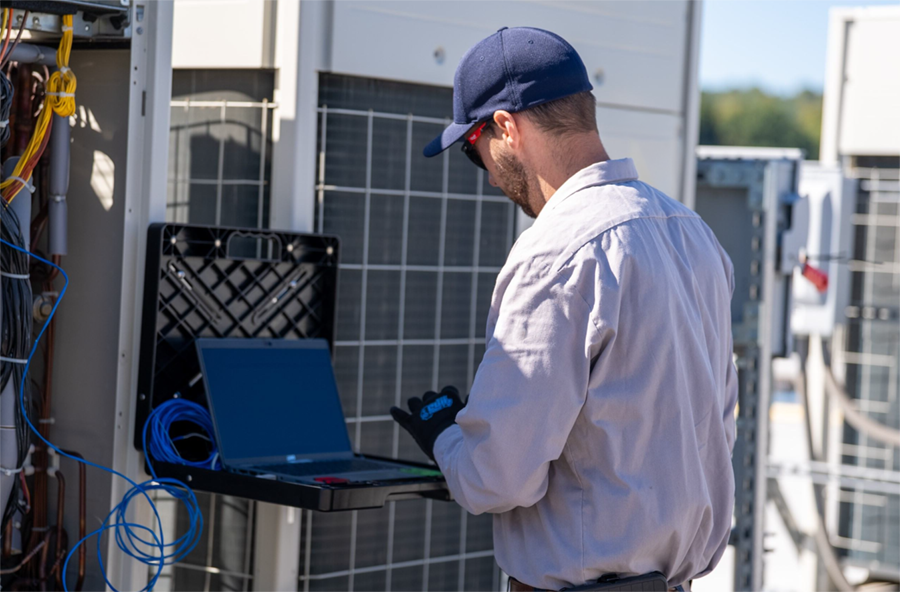
Verify real performance in the field
4. Report
Document results for public reporting
5. Prioritize
Turn findings into a clear action list
6. Correct
Support with corrective actions
Inspection Findings and Corrective Action Plan
Clear deliverables your team can use right away. After the inspection and evaluation work, you will have documentation that supports leadership review, public reporting, and next-step planning.
Report summary: An overview for leaders and stakeholders.
Findings log: Building-by-building results tied to the inspection requirements.
Prioritized action list: Phased recommendations for immediate fixes, short and long-term repairs, upgrades or capital planning.
Next-steps: Clear options, including service needs, controls adjustments, repairs, and project planning.
Not Sure Where Your District Stands?
Gaps in airflow, controls, and documentation often only become visible during IAQ inspections.
Air Cleaning Technology for Schools: How to Meet ASHRAE 62.1 & IAQP Compliance
Indoor air quality is not just a comfort issue. It affects student and staff health, learning environments, and how well ventilation strategies perform.
If you’re evaluating air cleaning options, this guide explains what to verify and document so decisions are based on measurable performance – not assumptions.
Proven HVAC Experts Trusted Across the Mid-Atlantic
Supported by licensed mechanical engineers and in-house technical specialists.
When projects require specialized testing, adjusting, balancing (TAB), commissioning, or energy expertise, Havtech has certified NEBB resources to help.
Years serving the mid-atlantic
0+
Employees
0+
Manufacturing Partners
0+
Engineers
0+
Service Associates
0+
Success Story
Turning IAQ Goals into Results
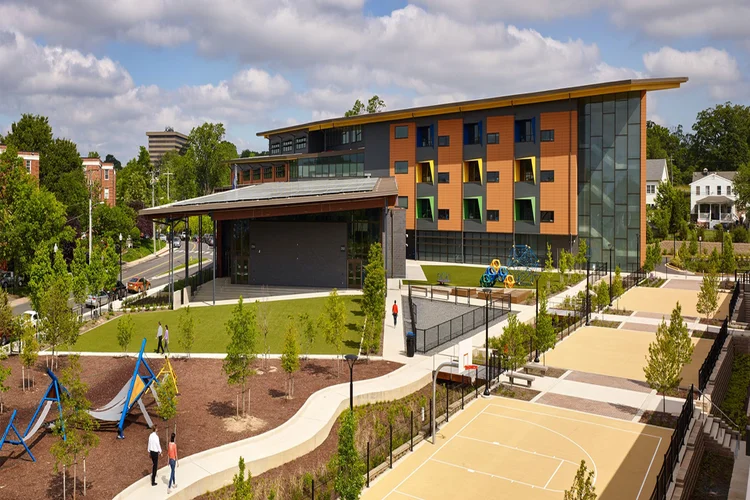
Alice West Fleet Elementary School, Arlington, VA
We helped bring the largest net-zero energy school in the U.S. to life with an HVAC system that supported sustainability goals and delivered clean, healthy, air for every classroom.
Havtech has contributed to projects that have earned leading certifications and industry recognition for indoor air quality, sustainability, and energy performance.
USGBC Green School Award
ASHRAE National Technology Award
WELL-Aligned
LEED Platinum
Need a clear plan before inspections begin?
Tell us where your school division is in the inspection cycle. We will help understand building performance, organize documentation, and prioritize next steps.
What happens next
1. We review your request and route it to the right specialist
2. We confirm scope, priorities, and timing
3. You receive clear next steps you can share
Start with an IAQ review
We’ll review your request and follow up with next steps within 1–2 business days.
The law calls for review of key HVAC and ventilation items such as filtration, outside air delivery, ventilation component operation, static pressure, maintenance verification, CO₂ sensors, and field data where needed.